
Puffball mushrooms are a unique and distinctive group within the fungal kingdom, appealing to both foragers and culinary enthusiasts. These mushrooms are named for their round shape and their peculiar method of dispersing spores, which puff out in a cloud when the mature fruiting body is compressed or struck by raindrops. Unlike many other mushrooms with gills and caps, puffballs are typically smooth and spherical, with spores developing internally.
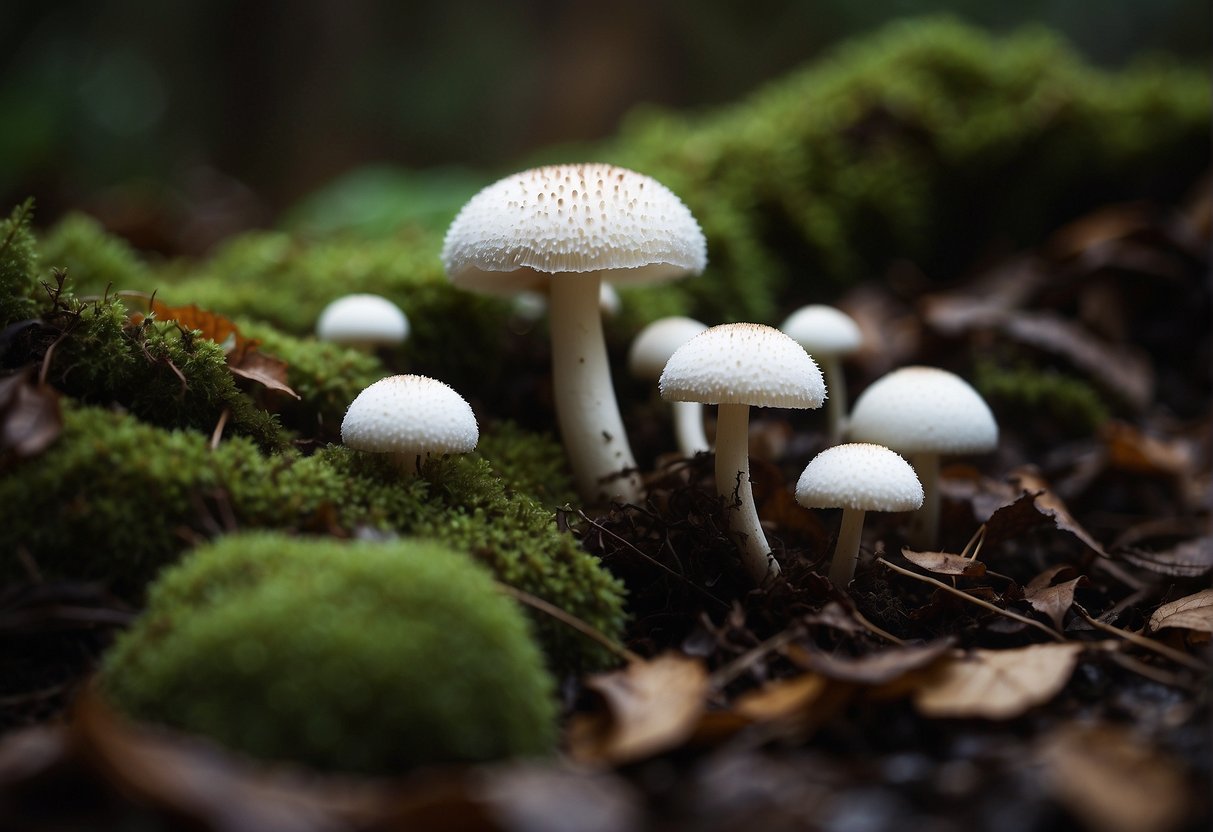
In my experience, identification of these fungi is straightforward due to their distinctive shape and growth habit. They can range in size from small marble-sized mushrooms to large ones that can rival a soccer ball. Gatherers of wild mushrooms prize puffballs for their earthy taste and meaty texture, which lends itself well to various dishes. However, it is crucial to know how to distinguish edible puffballs from other, potentially harmful species.
Key Takeaways
- Puffballs are easily recognized by their round shape and internal spore production.
- They provide a versatile ingredient in cooking, known for their earthy flavor and substantial texture.
- Proper identification is essential for safe foraging, as some look-alikes can be toxic.
Identification of Puffball Mushrooms

In identifying puffball mushrooms, I focus on specific features that distinguish them from other fungi, considering both their universal characteristics and the subtle differences that help to properly classify various species.
Characteristics of Puffball Fungi
Puffball mushrooms are a unique group of fungi noteworthy for their round or globular shape. When young, many puffball species have a white interior that is solid and fleshy, as opposed to the gilled structure of other mushrooms. As I examine puffball mushrooms, I look for the lack of a visible stem, which is a tell-tale feature. Here’s a basic checklist of edible puffball mushroom characteristics for proper identification:
- Shape: Typically round or pear-shaped
- Color: Often white or tan when young, becoming brown or yellowish with age
- Interior: Homogenous and white (discard if yellowish, brown, or purplish, as this indicates age or a potentially harmful species)
- Size: Can range from small, like the common puffball (Lycoperdon perlatum), to quite large, as seen in the giant puffball (Calvatia gigantea)
To ensure edibility, only consume puffballs with a white, marshmallow-like interior, as the color is a reliable indicator of maturity and safety.
Differences Between Puffball Species
While the baseline characteristics of puffball fungi are similar, identifying specific species such as Calvatia gigantea, commonly known as the giant puffball, involves noting distinct features. For example, the giant puffball mushrooms can grow to immense sizes, sometimes as large as a basketball. In contrast, the pear-shaped puffball, or Apioperdon pyriforme, maintains a smaller, pear-like shape.
Here’s a basic distinction I make between various species and their notable features:
- Giant puffball (Calvatia gigantea): Huge, spherical, and can exceed 10 inches in diameter.
- Purple-spored puffball (Calvatia cyathiformis): Similar to giant puffballs but with a purple hue to the brownish spores.
- Pear-shaped puffball (Apioperdon pyriforme): Distinct pear shape and often found on decaying wood.
- Common puffball (Lycoperdon perlatum): Smaller, with a textured exterior dotted with small, pointed warts.
Despite the shared traits among puffballs, I am careful not to confuse true puffballs with false puffballs, like those from the genus Scleroderma. These look similar but typically have a tougher rind and dark interior spores, which indicates they are not edible. Proper mushroom identification requires close observation and sometimes assistance from field guides or experts to ensure accurate and safe identification.
Habitats and Distribution
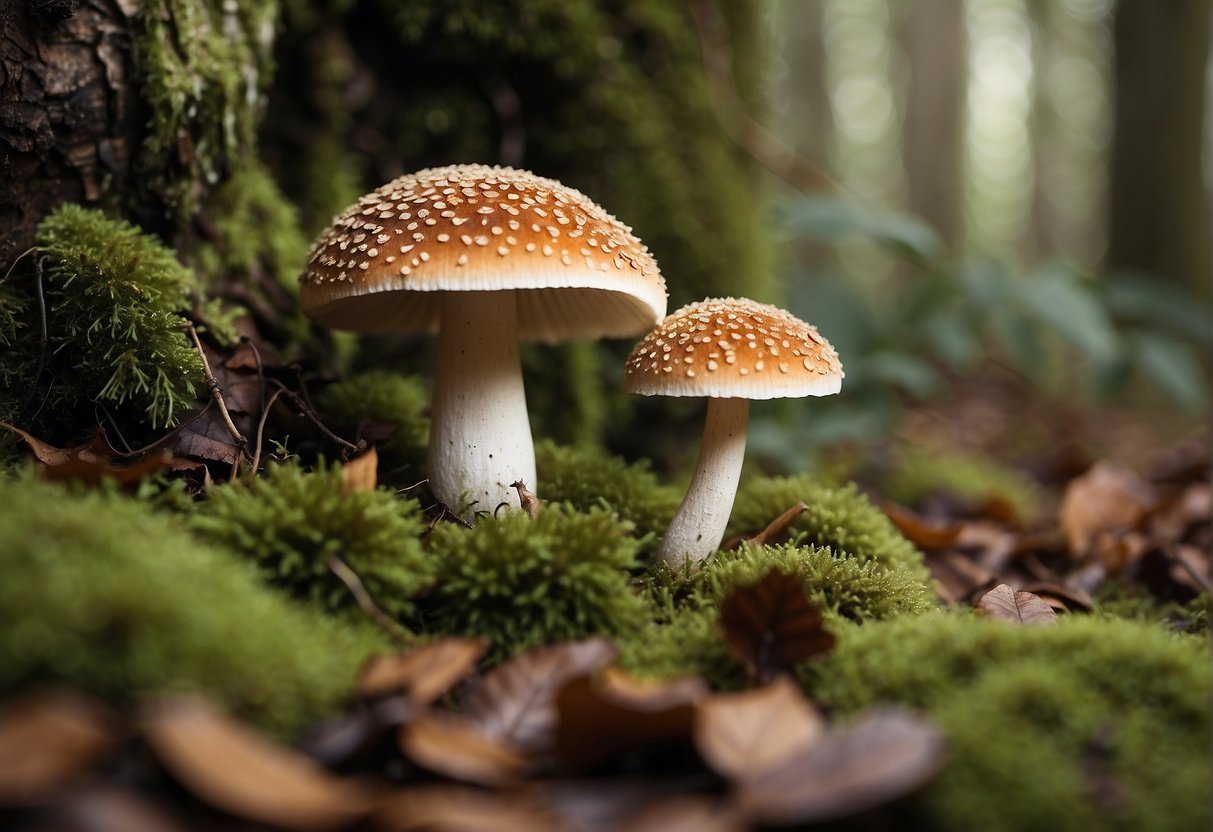
As a mycologist, I find puffball mushrooms fascinating due to their unique growing environments and wide distribution. In this section, we’ll explore the specific habitats these fungi prefer and their geographical reach.
Preferred Habitats of Puffballs
Puffball species exhibit a preference for certain types of habitats, thriving particularly in areas with rich, organic material. You’ll often find them in fields and meadows, utilizing the decomposing organic matter to their advantage. These mushrooms are also a common sight in woods, where they play a crucial role in breaking down fallen leaves and decaying wood. Some puffballs are even found forming fairy rings, a circle of mushrooms that appears mystical but is a natural occurrence due to their growth patterns.
Geographical Distribution
Puffball mushrooms are not limited to a single region; they have a wide-reaching distribution. In North America, puffballs can be seen across various states, showcasing a remarkable adaptability to a range of climates and altitudes. Their presence is not restricted to one continent either, as several puffball species are also observed in different parts of the world, indicating their extensive distribution.
Foraging and Harvesting

When I forage for puffball mushrooms, it’s important to ensure safety and to time the harvest correctly. I always prioritize identifying the correct species and picking them at the optimal stage of growth.
Safe Foraging Practices
As I walk through the forest, my first priority is safety. To make sure the puffballs I find are safe to eat, I meticulously observe their features. Giant puffballs should be uniformly white inside when cut open; if there’s any coloration or discoloration, I avoid consuming them. I use caution not to confuse them with other inedible or toxic species. Here are the steps I follow:
- Positive Identification: I make sure that the mushroom in question is, without doubt, a puffball. It should be smooth, without gills, and white through and through.
- Environment: I take note of where the puffballs are growing. They should be found on the ground, in grassy areas or woods, not on wood.
- Condition: I only pick puffballs that are firm and white both inside and out, as yellowing indicates they’re past their prime.
Optimal Harvesting Times
Timing is essential when harvesting puffball mushrooms. Here’s how I determine the best time to harvest:
- Stage of Growth: The puffballs should be harvested while they are still immature and white all the way through, as this indicates they’re at their peak for edibility.
- Season: Typically, late summer through autumn is the best time to find giant puffballs.
By following these guidelines, the experience of foraging and harvesting puffball mushrooms becomes rewarding and safe.
Culinary Uses

In my experience with puffball mushrooms, I’ve found them highly edible and remarkably versatile in the kitchen. Their subtle flavor and meaty texture make them suitable for a range of dishes, from comforting pastas to exquisite gourmet preparations.
Preparation Techniques
Sautéing: I often start by sautéing puffball mushrooms to bring out their umami qualities, making them an excellent addition to gravies or as a topping for pizzas. To ensure they cook evenly, I cut them into consistent-sized pieces before they hit the pan.
Dehydrating: When I want to preserve puffball mushrooms, dehydrating them is my go-to method. This technique intensifies their flavor, and the dried mushrooms can be rehydrated later, making them perfect for soups or pasta sauce.
Oven Roasting: For a more concentrated taste and a firmer texture, I roast puffball mushrooms in the oven. This method works well when I’m making dishes like lasagna, where I might substitute them in place of traditional proteins like chicken.
Recipe Ideas
- Puffball Pizza: By slicing the mushrooms and laying them on pizza dough, I create a flavorful base that complements various toppings, marrying well with both mozzarella and robust sauces.
- Puffball Hummus: Blending sautéed puffball mushrooms into my hummus recipe adds a unique twist and a depth of flavor that’s undeniably irresistible.
- Puffed-Up Chanterelles: Mixing fried puffball and chanterelles can elevate a simple salad with their contrasting textures and enrich the dish with a woodland essence.
- Crisp Puffball Strips: For a quick appetizer, cutting puffballs into strips, breading, and frying them makes a delightful treat, mimicking the crunch and satisfaction of mozzarella sticks.
Storage and Preservation
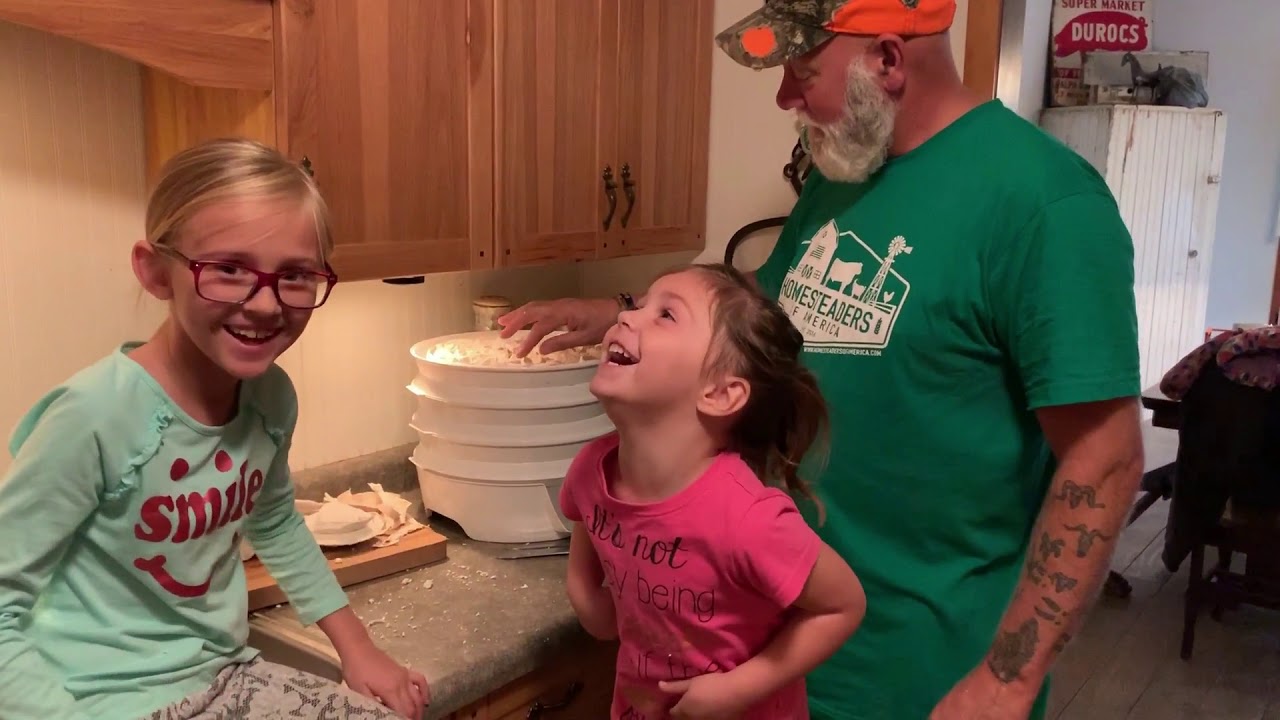
Proper storage and preservation are crucial to maintaining the quality and edibility of puffball mushrooms. I’ll guide you through reliable methods for both short-term and long-term storage, ensuring these fascinating fungi stay fresh for your culinary creations.
Short-Term Storage Methods
Refrigeration: For immediate use, I typically store fresh puffball mushrooms in the refrigerator. It’s best to place them in a paper bag to absorb excess moisture and prevent sogginess. This method keeps them fresh for up to a week.
Container Storage: For added protection, store the mushrooms in an airtight container. A Tupperware container works well for this purpose, insulating the mushrooms from the varying humidity of the refrigerator.
Long-Term Preservation Options
Freezing: One of my go-to methods for keeping puffball mushrooms for an extended period is to freeze them. After chopping and blanching the mushrooms, I place them in the freezer. Once frozen, they can be transferred to a freezer-safe bag and stored for up to six months.
Drying and Rehydrating: Drying puffball mushrooms is another viable option for long-term storage. Once dried, these mushrooms can be easily rehydrated when needed. I find that rehydrating them in water or broth restores much of their original texture and flavor.
By following these methods, I ensure my puffball mushrooms are preserved in optimal condition, ready to enhance the next culinary venture.
Health and Safety Considerations
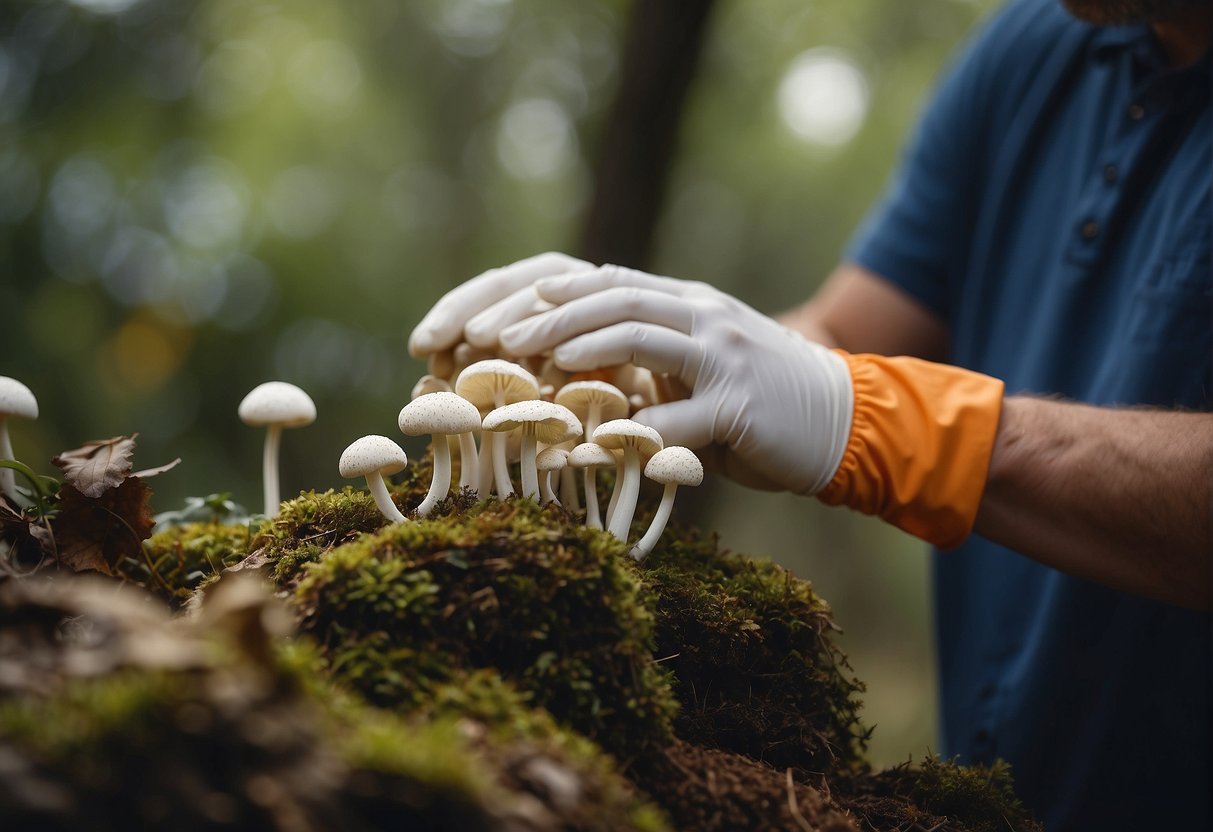
When discussing puffball mushrooms, it’s essential to understand which are safe to eat and how to distinguish them from toxic varieties.
Edibility and Toxicity
It’s often said that puffball mushrooms are among the safer fungi for foragers due to their distinctive appearance. However, not all puffball mushrooms are edible. I must stress the importance of positive identification before consumption. Edible puffballs are considered a delicacy and are known for their unique texture. When sliced open, the interior of a safe-to-eat puffball is white and uniform; any hints of gills or color changes could indicate a potentially harmful species.
Identifying Non-Edible Varieties
Mushroom identification is crucial for safety, and I recommend using multiple resources or consulting experts. Some puffballs, such as those that resemble ‘earth-stars’, could be confused with immature Amanitas, which are highly toxic. The key distinguishing feature is the interior: true edible puffballs will have a homogenous white flesh, without any sign of developing gills or structures, while other young toxic mushrooms will often have different patterns inside.
Here are a few tips for safely identifying edible puffball mushrooms:
- Examine the surface: True puffballs have a smooth, leathery appearance without any warts or spikes.
- Check the color: Cut the puffball open; if the inside is pure white and firm, it’s generally considered safe. Discoloration can signal that it has begun to spore and is no longer safe.
- Size doesn’t indicate safety: Puffballs can range from tiny to very large. Do not assume that a larger puffball is automatically edible.
- Spore release: Mature puffballs release spores through an opening in the top. Once this occurs, the mushroom is too old to eat.
Always err on the side of caution. If there’s any doubt, it’s better to leave the mushroom alone. Remember, safety should always come first in mushroom foraging.
Ecological Role and Lifecycle

In this section, I will delve into the intricate lifecycle of puffball mushrooms and their significant ecological impact. Puffball mushrooms play a crucial role in ecosystems and undergo a unique reproductive process that is fascinating to understand.
Lifecycle of Puffball Mushrooms
The lifecycle of puffball mushrooms begins with the release of spores. These reproductive cells are capable of growing into new fungi, given the right conditions. Once released, spores disperse through air currents or by animal interaction. When a spore lands in a suitable environment, it germinates and forms mycelium—a network of fine, thread-like structures that absorb nutrients from the environment.
Giant puffball mushrooms, which are part of the Gasteromycetes class, are a notable example that follows a similar lifecycle. These fungi are saprobic, meaning they obtain nutrients by decomposing dead or dec
Comparative Analysis

In my research, I’ll be looking into how puffball mushrooms compare to other fungi and their depiction in popular culture.
Puffballs vs. Other Mushrooms
Puffball mushrooms, including varieties such as Calvatia, Lycoperdon, and Battarrea, are unique in their round, ball-like appearance and the way they release spores. Unlike gilled mushrooms such as Mycenastrum or Tulostoma, puffballs do not have visible spore-bearing structures exposed from the start; their spores are contained within the fruiting body and released en masse when the mature mushroom bursts.
I’ll examine how puffballs differ from other edible mushrooms, not just in structure but also in culinary use and flavor profile. Edible puffballs are often described as having a smooth texture and an earthy taste, quite distinct from the nutty flavor of chanterelles or the firm, meaty texture of the hen of the woods.
While truffles are prized for their intense aroma and distinct flavor, puffballs are more subdued and can be a versatile ingredient in many dishes. On the comparative scale of edibility, puffballs must be consumed when young and pure white inside, as older specimens can be harmful, a caution that is less pronounced with mushrooms like chanterelles, which have a longer edible period.
The study “Biological potential of puffballs: A comparative analysis,” which includes genera such as Pisolithus and Podaxis, provides comprehensive data on the various uses and biochemical contents of these fungi, showcasing their significant antimicrobial qualities and nutritional properties.
Puffballs in Popular Culture
I find that puffball mushrooms occasionally make their way into the realm of popular culture, taking a backseat to the more frequently referenced fungi like truffles or chanterelles. While truffles are often associated with luxury due to their rarity and price, puffballs are depicted as accessible and can symbolize the bountiful, sometimes whimsical, side of nature. Films and literature that showcase foraging often highlight the excitement of discovering these spherical fungi hidden in plain sight.
Moreover, the unique characteristics of puffballs, such as their spore release, contribute to their mystique and have been featured in artistic representations and narratives to evoke a sense of magic or otherworldliness. Despite this, puffballs haven’t reached the iconic status of, say, the Amanita-themed ‘Super Mario’ mushrooms in video games, but they hold their own by symbolizing the diversity and adaptability of fungi.
Conservation and Sustainability
In addressing the topics of conservation and sustainability in relation to puffball mushrooms, it is critical for me to emphasize the importance of responsible foraging practices and to understand the conservation status of different puffball species.
Sustainable Foraging
When I look at sustainable foraging, my focus is on the collection methods that do not harm the environment. Habitats are essential for puffball mushrooms, and to maintain them, I ensure to harvest puffballs in a way that allows for regeneration. This includes cutting puffballs at the stem rather than pulling them out of the ground, which can protect the mycelium and allow for future growth. It is also important to harvest only what one can consume, leaving behind plenty of mushrooms to reproduce and for other foragers to enjoy.
- Do:
- Cut puffballs at the stem.
- Harvest what I can consume.
- Share patches with others.
- Don’t:
- Pull puffballs out of the ground.
- Overharvest.
- Disturb the surrounding habitat.
Conservation Status of Puffball Species
The conservation status of puffball species can be a reflection of their ecosystem’s health. I acknowledge that several puffball species have been assessed to determine their risk of extinction. Efforts are made by conservation groups to monitor populations and to implement strategies for their protection. It’s crucial for me to support these efforts by being aware of the species I encounter and by respecting protected areas and guidelines. Conservation measures are not only to ensure the survival of individual species but also to maintain the biodiversity that is essential to forest ecosystems.
- Conservation Efforts:
- Population monitoring.
- Protection of critical habitats.
- Education on the importance of fungi in ecosystems.
Morphology and Anatomy

Puffball mushrooms are fascinating in their structure, and I find their simple yet intricate forms quite remarkable. The fruit body generally showcases a globular or pear-like shape, which is distinct in the fungal kingdom. Upon maturity, these mushrooms will develop a gleba, a spore mass found inside the fruit body, which is often spongy and varies in color depending on the species’ lifecycle.
One well-known species, Lycoperdon perlatum, typically exhibits a round shape with a spiky, adorned exterior, giving it the common name “gem-studded puffball.” These spikes or warts are a key characteristic, and as the mushroom grows, they can be shed to reveal a smooth surface underneath.
In the case of Calbovista subsculpta, the puffball mushroom’s surface is elegantly sculpted, a trait hinted at in its name. This species often has a white to brownish hue and a thick skin that holds its shape well when pressed.
Calvatia booniana, commonly referred to as the giant puffball, grows to an impressive size. Here is a brief tabular comparison to encapsulate the dimensions of each:
| Species | Diameter Size Range | Skin Texture |
|---|---|---|
| Lycoperdon perlatum | Up to 3 inches (7.5 cm) | Spiky, becomes smooth |
| Calbovista subsculpta | Large, varies | Sculpted, thick |
| Calvatia booniana | Up to 24 inches (61 cm) | Smooth or with tiny warts |
Puffball mushrooms dispense spores through an aperture that develops usually at the top of the fruit body. The spores are released into the air in a cloud when the ripe puffball is disturbed, which is an effective natural dispersal mechanism. My studies and observations of these species have led to a deep appreciation for their unique anatomy that plays such a crucial role in their life cycle and reproduction.
Cleaning and Preparing

When I handle puffball mushrooms, particularly of the Calvatia genus, my first step is to ensure they’re fresh and edible. I look for a solid white interior, which indicates they haven’t gone to spore. Once I’ve determined the puffball is good to use, I start with the cleaning process.
Cleaning Method
- Examine: Check the puffball for any blemishes or insect damage.
- Peel: Gently peel away the outer skin layer.
- Brush off: I use a soft brush to remove any dirt.
- Slice: Cutting through the mushroom to ensure it has a homogeneous, white interior indicates it’s safe to eat.
- Check: Any discoloration suggests the mushroom is past its prime.
For cooking, puffball mushrooms are quite versatile. Here are some of the ways I incorporate them into my dishes:
Cooking Techniques
- Sauté: Thinly sliced mushrooms sautéed in olive oil with a bit of garlic.
- Fried: Dipped in batter and fried until golden brown.
- Grilled: Thick slices grilled to add a smoky flavor, perfect for BBQs.
- Baked: Chunks baked in the oven, sometimes stuffed with other fillings.
I take care not to overwhelm the mild, earthy flavor of the puffballs. They absorb seasonings well, so I use a light touch with spices and sauces. Cleaned and prepared correctly, puffball mushrooms offer a delightful addition to my culinary repertoire.
Puffball Mushroom Folklore
When exploring the enchanting world of mycology, I often find myself intrigued by the folklore surrounding puffball mushrooms. Traditionally, these globular fungi have captivated the human imagination, weaving themselves into the tapestry of folklore and myth.
In certain cultures, puffballs were believed to house spirits. When I chance upon a puffball mushroom in the wild and witness its release of spores, I’m reminded of tales where these spores were seen as the powerful breath of earth-dwelling spirits. It is as if the very essence of the forest were being exhaled into the ether.
The famous fairy rings, rings of mushrooms commonly found in folklore, are often associated with mystical beings, including fairies. Though not exclusive to puffballs, these rings are said to be the dancing grounds for fairies. As I walk through the woods, the sight of a fairy ring stirs a sense of wonder, making me ponder if puffballs too might have danced in the moonlit glades of ancient forests, as part of these ethereal gatherings.
Folklore also hints at practical uses of puffballs. They were reputedly used as wound dressings, their soft, cotton-like interiors providing a gentle touch for healing. The use of puffballs in folk medicine reinforces the respect ancient cultures had for this unassuming yet mysterious mushroom.
Through the lens of folklore, puffball mushrooms acquire an almost magical status. While I navigate their history with a rational mindset, I can’t help but admire the richness of the narrative that has been handed down through generations.
Puffball Mushroom Hunting Tips

In my experience with foraging mushrooms, puffball mushrooms stand out for their unique structure and taste. Here, I’ll share targeted strategies and locations that are essential for successfully finding these edible jewels of the woods.
Guide to Successful Foraging
When I set out for puffball mushrooms, I keep several crucial tips in mind. These fungi flourish in different environments, so I’m particularly attentive to weather patterns and seasons, as puffballs tend to appear in late summer and fall. I always equip myself with a field guide for reference to ensure I’m picking an edible mushroom, not just any white round object I come across.
- Timing: I go mushroom hunting a day after rainfall, as moisture helps puffballs grow.
- Tools: I carry a basket which allows spores to disseminate, promoting growth for the next season.
- Cut, Don’t Pull: I use a knife to cut the mushroom at the base to avoid damaging the mycelium.
- White Interior: I always check if the mushroom has a pure white interior; an essential indicator that it is a young, edible puffball.
Identifying Prime Locations
I’ve found that puffballs predominantly favor two types of habitats: woods and meadows. I focus my search in open woodlands and grassy clearings where sunlight can reach the ground, enabling these fungi to thrive. Here are more location-specific tips:
- Woods: In my trips to New York’s forests, I look for puffballs on the edges of woods, where trees meet open spaces.
- Meadows: Lush meadows are ideal, especially areas with rich, moist soil.
- Observation: On my walk, I keep an eye out for other types of mushrooms as well, because their presence indicates good fungal habitat.
By remembering these practical steps and scouting the appropriate environments, my hunting trips for puffball mushrooms are often very successful.
Cooking and Eating Puffball Mushrooms

In my culinary adventures, I’ve found that puffball mushrooms offer a unique umami flavor that enhances a variety of dishes. They are versatile and can be prepared in numerous ways to suit different recipes.
Preparation Methods for Culinary Use
When handling puffball mushrooms, the first step is ensuring they are edible. They should be pure white inside without any yellowing or signs of sporing, and it’s crucial to inspect them thoroughly. Here are a few methods to prepare puffball mushrooms for cooking:
- Slicing for Saute: Cut puffball mushrooms into 1/2 inch thick slices and saute them in butter or oil until golden brown. This method brings out a rich, earthy flavor suitable for salads or as a side dish.
- Baking in the Oven: Puffballs can be cubed and roasted in the oven. Toss them in olive oil and your favorite seasonings, then bake at 350°F until they’re tender and crispy on the edges, perfect for adding a meaty texture to dishes.
Unique Puffball Recipes
Here are some specific recipes where puffball mushrooms are the stars:
- Puffball Pizza Topping: Replace traditional toppings with diced puffball mushrooms on your next homemade pizza for a delicious twist.
- Puffball Pasta Sauce: Create a creamy pasta sauce by blending sauteed puffball pieces until smooth and mixing with garlic, cream, and cheese.
- Puffball Hummus: Blend sauteed puffball mushrooms into your hummus for an earthy, umami-packed spread.
- Puffball Soup Enhancer: Incorporate diced or sliced puffballs into soups for added texture and flavor depth. They work exceptionally well in cream-based soups.
In summary, puffball mushrooms are a culinary delight that can transform everyday meals into gourmet experiences with their versatility and distinctive taste.
Frequently Asked Questions
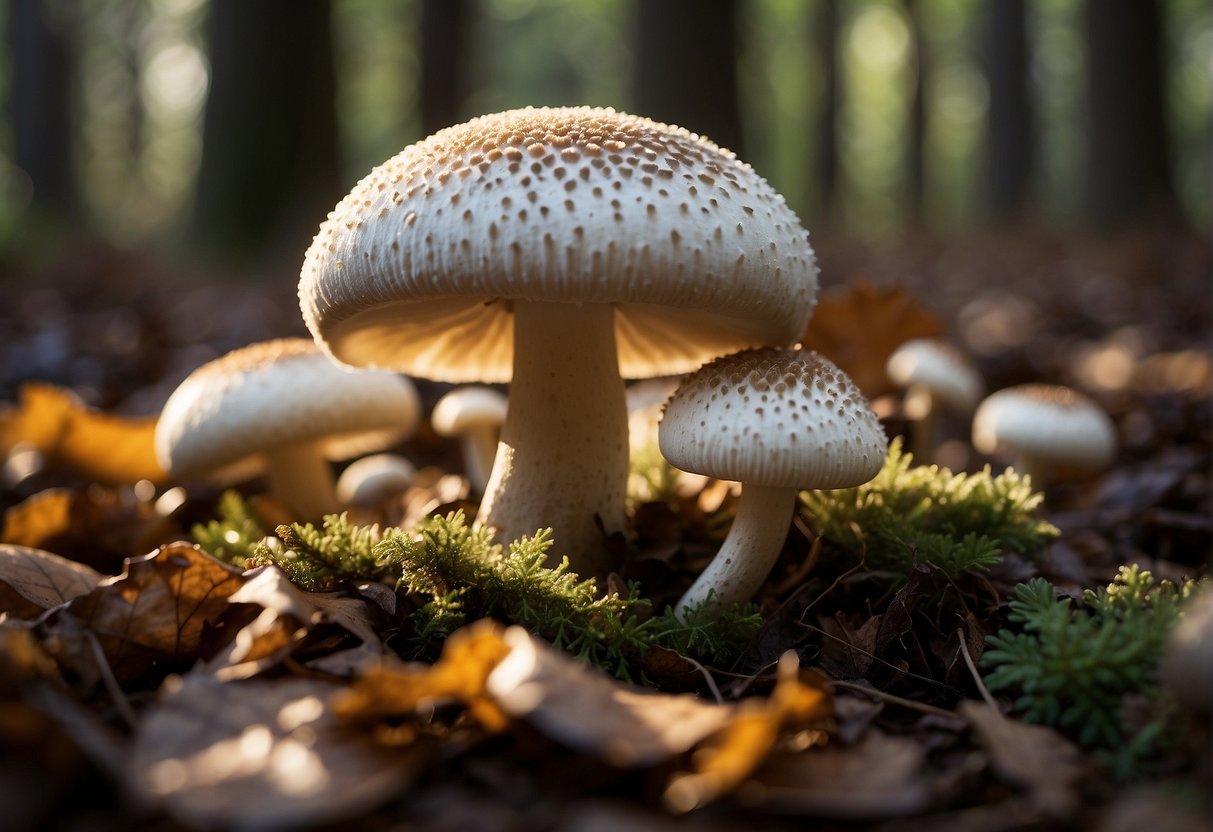
In this section, I aim to clarify common queries about puffball mushrooms, touching upon their identification, habitat, and unique characteristics.
What distinguishes edible puffball mushrooms from their toxic look-alikes?
Identifying edible puffball mushrooms involves checking for a uniform white interior. Edible puffballs are round and have a white, breadcrumb-like texture inside. If there are gills, a cap, or a different color, it could be a toxic look-alike.
In which habitats are puffball mushrooms most commonly found?
Puffball mushrooms thrive in a variety of environments but are most commonly found in meadows, fields, forests, and sometimes in lawns. They prefer nutrient-rich soil with decaying organic material.
How does one differentiate between a puffball mushroom and an earthball?
While puffball mushrooms have a white interior when young and edible, earthballs are hard, have a darker interior, and are typically toxic. Checking the color and texture is crucial for safe identification.
Can puffball mushrooms be considered a rare species?
Puffball mushrooms are not generally rare, but some species may have limited distribution or specific habitat requirements that can make them less common in certain areas.
What is the function of the puff released by puffball mushrooms?
The ‘puff’ is a cloud of spores released when a puffball mushroom is mature and disturbed, either by natural forces or contact. This spore release mechanism helps in the dissemination and propagation of the fungus.
What are the different varieties of puffball mushrooms, and how are they identified?
There are several varieties, including the genera Apioperdon, Bovista, and Calvatia. Each variety can be identified by its size, shape, and habitat, ranging from small pear-shaped puffballs to the large giant puffball.