
As a writer with a focus on the natural world, I have come to appreciate the intricate relationship between fungi and trees, particularly the diverse array of mushrooms that grow on maple trees. These maple-dwelling fungi range from the choice edible varieties to those that fulfill important ecological roles in the forest landscape. Discovering mushrooms on the trunks and roots of these majestic trees often sparks curiosity and wonder about the interconnectedness of life within the woodland ecosystems.
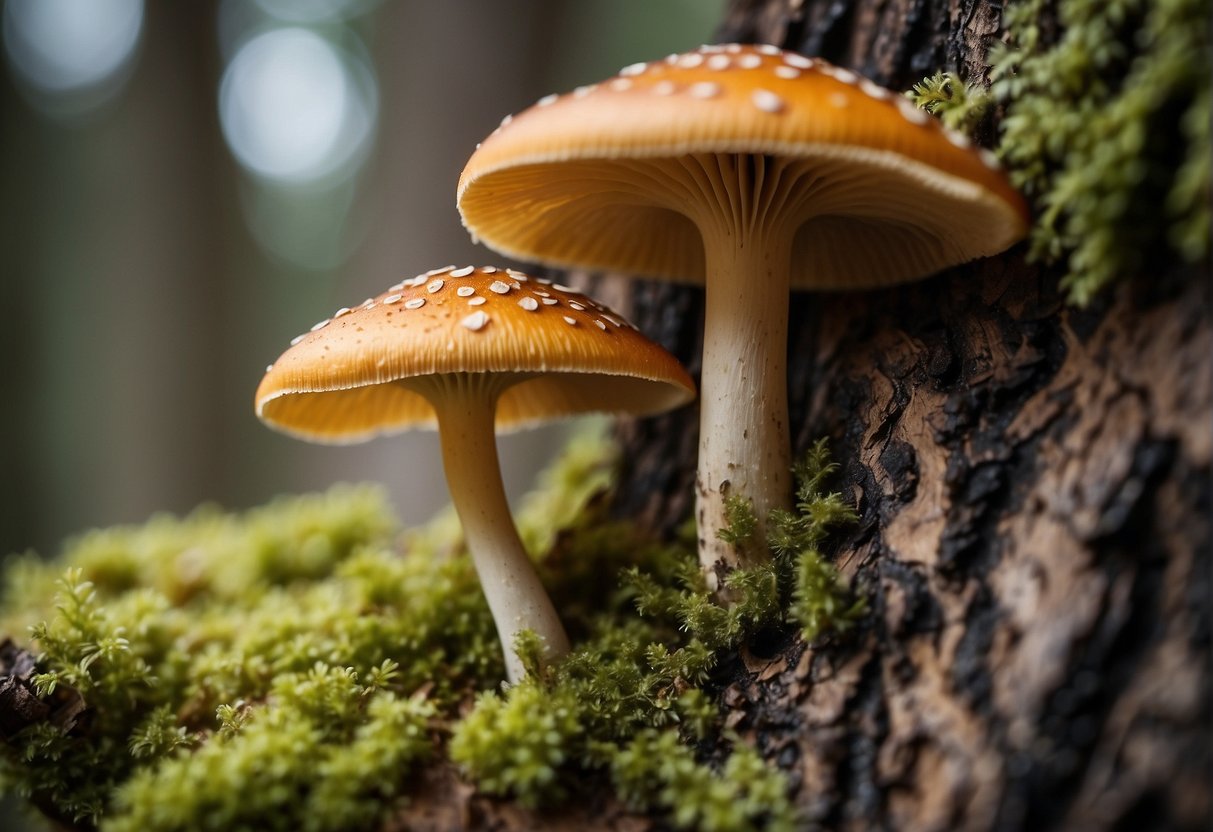
In exploring the woodland floor, I find that maple trees host a range of mushrooms, each with their distinctive features and contributions to the environment. While some of these fungi are saprophytic, breaking down dead organic material and recycling nutrients back into the soil, others establish symbiotic relationships with living trees. The presence of mushrooms can also signal the health or distress of the tree, and their identification requires caution due to the potential toxicity of certain varieties. Throughout the seasons, observing the lifecycle and reproductive patterns of these fungi reveals a dynamic and ever-evolving narrative of life that blankets the forest floor and clings to the bark of our maple friends.
Key Takeaways
- Maple trees host a variety of mushrooms that play crucial ecological roles or serve as edible species.
- Mushrooms indicate the health of maple trees and engage in symbiotic or decomposition processes.
- Identifying mushrooms on maple trees demands care due to the potential for toxic look-alikes.
Overview of Mushrooms on Maple Trees

In my exploration of the fascinating world of mushrooms, I’ve found many species comfortably perching on the rugged barks of maple trees. They play a crucial role in the ecosystem and come in a variety of types, each with its own unique appearance and way of interacting with its host.
Role in the Ecosystem
Mushrooms that appear on maple trees serve as vital decomposers in the environment. They break down organic material, returning nutrients to the soil, which in turn sustains other plant life. This process is essential for the health of hardwood forests, including those dominated by maple trees. In particular, mushrooms contribute to the decomposition of dead wood, thus aiding in nutrient recycling and supporting the forest’s intricate life cycles.
Common Types Found on Maples
There are several common mushroom species that I often see on maple trees. Here’s a brief overview:
- Oyster Mushrooms (Pleurotus ostreatus): These are easily identifiable by their fan-shaped caps. They are known for growing in shelf-like clusters on the sides of maple trees.
- Shaggy Mane (Coprinus comatus): Distinctive for their tall, cylindrical shape, these mushrooms can typically be spotted on the ground near maple trees.
- Morels (Morchella spp.): While more commonly found on the ground, these honeycomb-patterned mushrooms are associated with the presence of maple trees in their environment.
Each of these mushrooms plays a part in breaking down the tough cellulose and lignin found in maple wood, ensuring the balance and sustainability of hardwood forests.
Key Species Profiles

In this section, I’ll give you a closer look at some of the distinctive mushrooms that you might encounter on maple trees.
Oyster Mushrooms (Pleurotus Ostreatus)
Edible: Yes
Habitat: North America
I find Pleurotus ostreatus, commonly known as the oyster mushroom, to be a culinary delight that grows well on maple trees. They are identifiable by their broad, oyster-shaped caps and vary in color from white to brown.
Lion’s Mane (Hericium Erinaceus)
Edible: Yes
Habitat: North America
Hericium erinaceus, or lion’s mane, is not just edible but also sought after for its medicinal properties. The mushrooms have a distinctive appearance resembling a white pompom and are known to grow on wounded maple trees.
Chicken of the Woods (Laetiporus Sulphureus)
Edible: Yes
Habitat: North America
Recognizable by its bright orange to yellow shelf-like formation, Laetiporus sulphureus, also known as chicken of the woods, offers a meaty texture. Its edibility makes it popular, but I must caution that some individuals may experience adverse reactions to it.
Turkey Tail (Trametes Versicolor)
Edible: Not traditionally
Trametes versicolor, often called turkey tail, is readily found on maple trees and is known for its striking multicolored, fan-shaped appearance. Although not commonly eaten, it is valued for its potential therapeutic benefits.
Artist’s Conk (Ganoderma Applanatum)
Edible: No
Lastly, Ganoderma applanatum or artist’s conk is notable for its hard, woody body and can be spotted as a perennial fixture on maple trees. Its name comes from the tradition of artists etching pictures on its underside.
Ecology and Life Cycle

In studying the way mushrooms interact with maple trees, I’ve observed that their life cycles and ecological roles are dominated by two main processes. These are saprophytic growth and symbiotic relationships, each vital to forest ecosystems.
Saprophytic Growth Cycle
As a mycologist, I’ve noted that many tree mushrooms are saprophytic, meaning they feed on decaying organic matter. Specifically, on maple trees, these mushrooms’ fruiting bodies emerge from the wood, signaling the breakdown of cellulose and lignin. The process relies on adequate moisture to facilitate the growth and maturation of these fungi. The life cycle begins with spore germination, and, as long as conditions remain humid, the mycelium will extend through the tree’s decomposing material, eventually giving rise to fruiting bodies when mature.
Symbiotic Relationships with Maple Trees
Not all fungi on maples are saprophytes; some have evolved a symbiotic relationship with living trees. These fungi exchange nutrients with their hosts, each benefiting the other. The mushrooms provide the maple with minerals absorbed from the soil, while the tree supplies carbohydrates produced through photosynthesis. This mutualistic bond is crucial for the health of the forest, and disturbing these interactions can have significant ecological consequences.
Cultivation and Harvesting
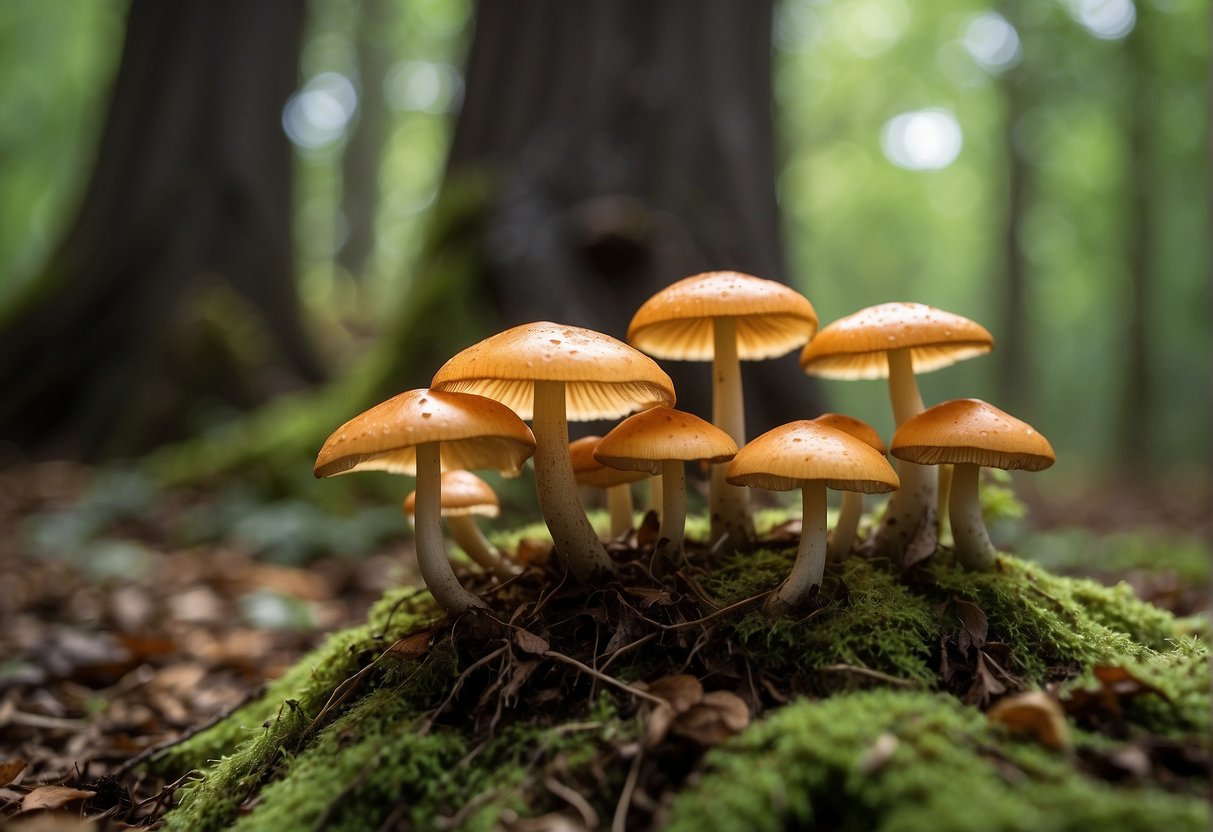
Growing mushrooms on maple trees is a rewarding process that involves specific steps from inoculation to harvest. I’ll guide you through the best practices to cultivate edible mushrooms and tree fungi, ensuring success in your mycological endeavors.
Growing Mushrooms on Maple Wood
When I cultivate mushrooms on maple wood, my choice of species is critical. Edible varieties such as the Lactarius indigo and Pleurotus ostreatus are well-suited for maple substrates. Initially, I ensure the wood is fresh and free from contaminants. Chanterelles, while highly sought after, do not readily cultivate on maple and are typically foraged. For inoculation, I use either spore syringes or plug spawn. Tips for growing mushrooms on maple include:
- Maintain high humidity levels and adequate shade.
- Monitor for proper mycelium growth, which usually takes several months.
The wood should be inoculated during the dormant tree phase, which is late winter or early spring, and pruning helps to expose more of the wood’s surface to the spawn.
Harvest and Use of Maple-Tree Mushrooms
I identify when harvesting mushrooms that are ready when they reach their full size and before they release spores; the caps will be fully unfurled, and the color will be vibrant. It’s crucial to:
- Harvest carefully to avoid damaging the mycelium.
- Store properly: Edible species should be consumed fresh, or preserved through drying or pickling.
The benefits of harvesting my own mushrooms include fresh produce and the enjoyment of mycology as a hobby. Identification of mushrooms is vital to avoid collecting non-edibles. Always consult a field guide or expert for proper identification.
Mushroom Identification and Safety
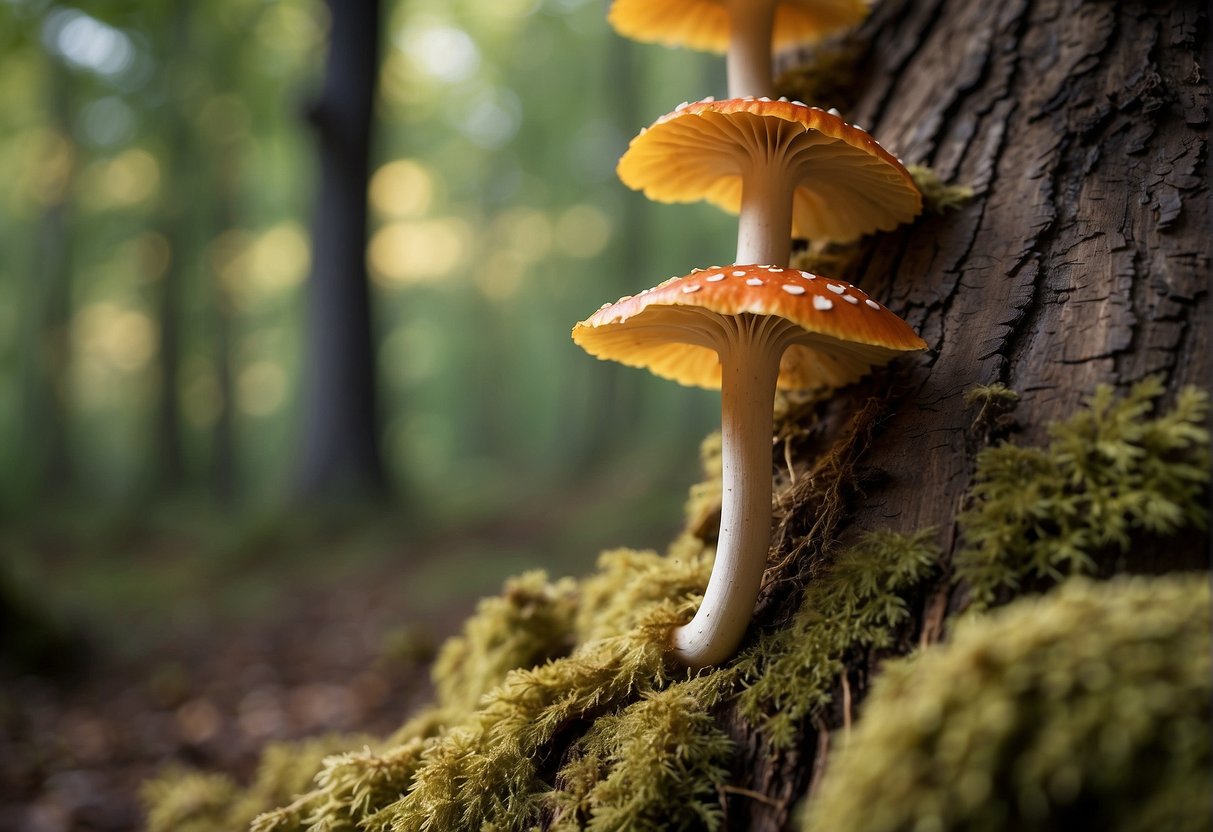
When dealing with mushrooms growing on maple trees, my focus is on accurately distinguishing between edible and poisonous species, and employing reliable identification techniques.
Edible vs. Poisonous Species
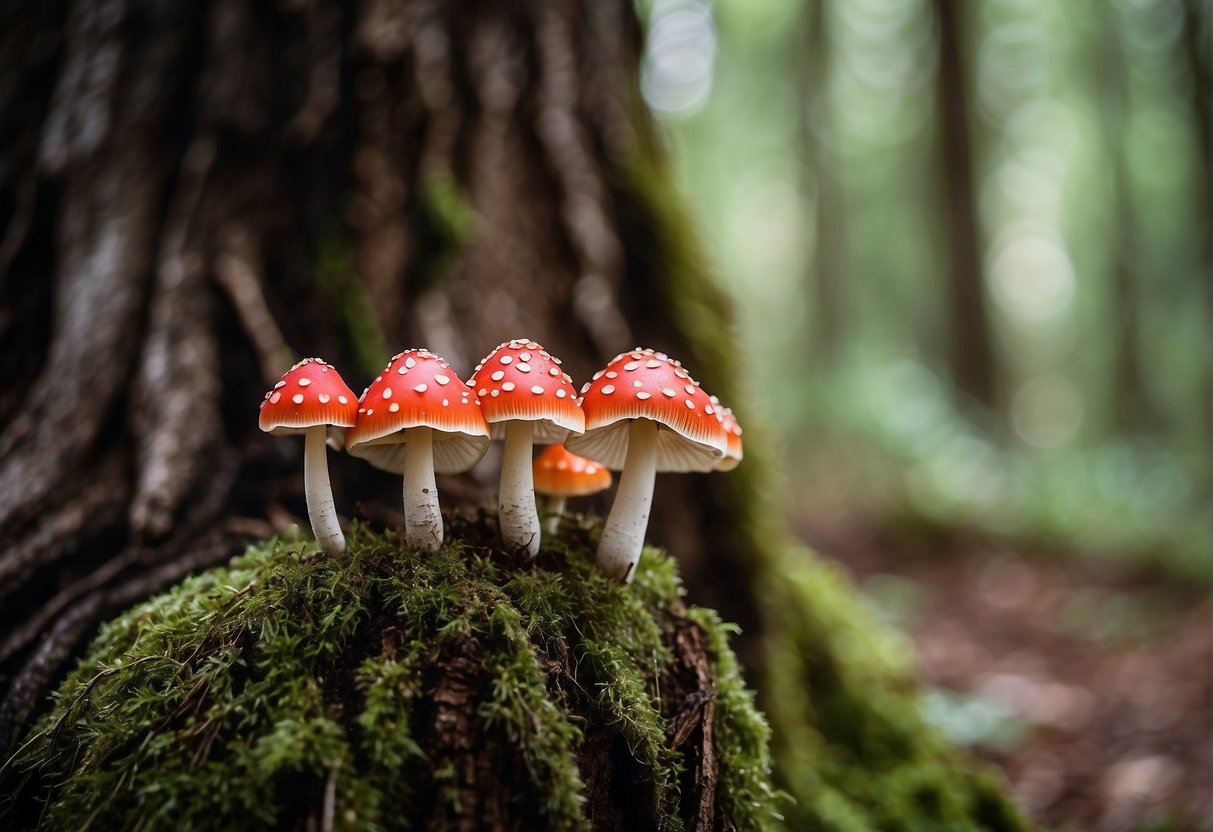
Identifying mushrooms on maple trees is crucial as some are fit for consumption, while others can be toxic. For example, the edible Shiitake (Lentinula edodes) can sometimes be found on fallen maple wood, offering a safe and flavorful choice for foragers. In contrast, the beautiful yet poisonous Amanita muscaria stands out with its iconic red cap and white spots, demanding to be left alone.
- Edible Species:
- Shiitake (Lentinula edodes)
- Oyster mushroom (Pleurotus ostreatus)
- Poisonous Species:
- Amanita muscaria (Fly agaric)
- Galerina marginata (Deadly galerina)
Identification Techniques
To confidently identify mushrooms, I use a combination of visual inspection and reference to field guides. I examine characteristics such as cap shape, color, gill attachment, and spore print color. For greater certainty, I may consult online databases like the one discussing mushrooms growing on trees, which provide pictures and identification guidance. It’s important to never rely solely on one source or characteristic, as mushroom identification demands a comprehensive approach.
Conservation and Tree Care

In managing ecosystems that include maple trees, my approach emphasizes the importance of balance: ensuring the health of the trees while allowing for sustainable mushroom cultivation. Healthy forests provide immense environmental benefits, but they require careful stewardship.
Protecting Maple Trees from Fungal Damage
I understand that preserving maple trees on my property means guarding them against excessive fungal growth, which can lead to decay and structural weaknesses. Regular inspection is a practice I stand by, checking for any signs of fungal infestation, especially during the wetter months when fungi tend to thrive. When I find fungal growth, there are a few steps I follow:
- Identify and Monitor: Determine if the fungus is part of the natural decomposition process or if it poses a threat to the tree’s health.
- Prune Carefully: Remove any diseased limbs with sterile equipment to prevent the spread of spores.
It’s vital to ensure that all pruning equipment is sanitized to avoid inadvertently introducing new pathogens to the trees.
Sustainable Mushroom Foraging
To forage mushrooms sustainably from deciduous hardwood trees like maples, my practices align closely with conservation principles. My approach involves:
- Selective Harvesting: I only take what I need and leave enough mushrooms behind to allow for natural spore dispersal.
- Gentle Techniques: I cut mushrooms at the stalk rather than pulling them out, to minimize disturbance to the forest floor.
By adhering to these guidelines, I contribute to the environmental benefits of mushrooms, such as nutrient absorption and aiding in the decomposition of dead hardwoods. It also allows me to be an active participant in the tree care efforts of my local forest.
Nutritional and Medicinal Properties
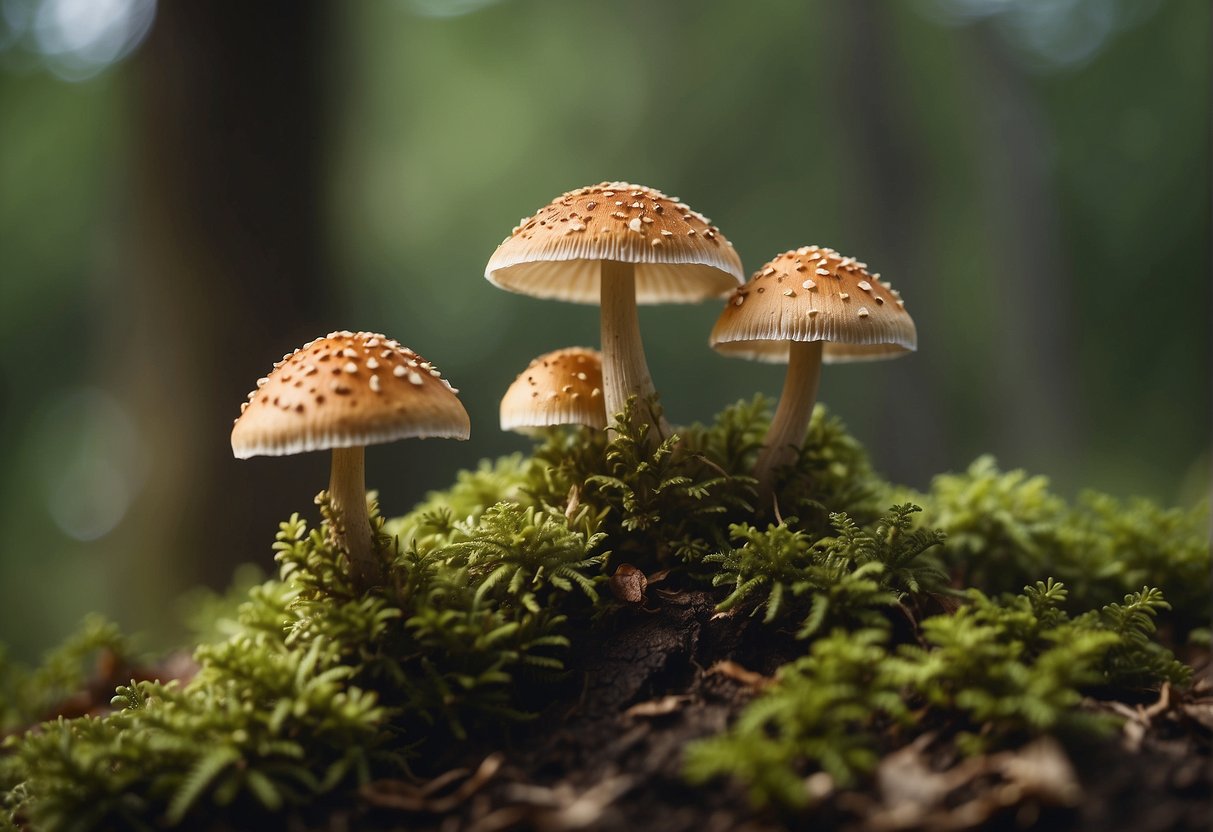
In exploring the various mushrooms that flourish on maple trees, I’ve uncovered their significant nutritional and medicinal properties. These fungi are not only rich in flavor but abound in essential vitamins, minerals, and antioxidants, offering numerous health benefits.
Health Benefits of Tree Mushrooms
Tree mushrooms, such as turkey tail and lion’s mane, provide a significant source of fiber and antioxidants. I can attest that the lion’s mane mushroom, in particular, supports cognitive health due to compounds known as hericenones and erinacines that stimulate brain cell growth. Another notable species, the turkey tail mushroom, includes a variety of phenols and flavonoids, which enhance its antioxidant power to bolster the immune system.
Uses in Traditional and Modern Medicine
My research indicates that these mushrooms have a long history in traditional medicine practices, especially in Asia. The maitake mushroom Grifola frondosa, found on maple trees, has been used to improve spleen and stomach health while also managing blood sugar levels. Modern studies suggest that this mushroom exhibits anticancer properties and aids in cholesterol management thanks to compounds like beta-glucans which fortify immune response. Across both traditional and contemporary medicine, the extracts are sometimes taken in tea form or as a supplement to leverage these therapeutic benefits.
Culinary Applications

In my experience, mushrooms that grow on maple trees, notably oyster mushrooms and shiitake, offer a versatile range of flavors that enhance various recipes. Not only are they delicious, but their culinary use also holds a significant place in global cuisine, demonstrating how food and nature intertwine.
Preparing and Cooking Tree Mushrooms
When preparing tree mushrooms like oyster and shiitake mushrooms, I begin by gently brushing off any debris. It’s important not to wash them, as they are porous and can become waterlogged, which affects their texture when cooked. Oyster mushrooms have a subtle, anise-like flavor and a delicate texture. I often slice them and sauté in a hot pan with a bit of oil until they’re golden brown, which brings out their natural umami flavor. Shiitake mushrooms, on the other hand, have a more robust taste, making them ideal for hearty dishes. I remove their stems, which are too tough to eat, and either keep the caps whole or slice them depending on the recipe.
- Oyster Mushrooms: Sauté on high heat until golden.
- Shiitake Mushrooms: Remove stems, then sauté or incorporate into dishes.
Recipes and Pairings
Oyster Mushrooms: Their delicate taste pairs well with light pastas and seafood. I’ve used them in creamy pasta dishes where they contribute a mild yet distinct flavor without overpowering other ingredients.
- Creamy Oyster Mushroom Pasta
- Oyster Mushroom and Shrimp Stir-fry
Shiitake Mushrooms: Rich and woodsy, they’re perfect in stir-fries, risottos, and soups. I often use them to create depth in vegetarian dishes; they stand up to strong flavors such as soy sauce and garlic.
- Shiitake Mushroom Risotto
- Hearty Shiitake Stir-fry with Vegetables
Both types can be used in:
- Mushroom Soups
- Grilled and served as a side
- Topped on pizzas
Their adaptability in food makes them an excellent choice for chefs and home cooks alike to explore and enhance their cooking repertoire.
Frequently Asked Questions
In this section, I’ll answer common queries about mushrooms that grow on maple trees, helping you identify, distinguish, and manage these fungal growths effectively.
How can you identify mushrooms that grow on maple trees?
Identifying mushrooms on maple trees involves observing their color, shape, and size, as well as noting where on the tree they are growing. Many mushrooms that appear on maples are linked to internal decay and can be identified by their shelf-like or clustered formations on the tree.
What distinguishes edible tree mushrooms from poisonous ones?
Differentiating between edible and poisonous mushrooms is tricky and requires expert knowledge. Edible mushrooms have specific characteristics and often a unique appearance, but without the right expertise, it’s risky to identify them due to the potential for poisonous look-alikes.
Which mushrooms are commonly found on silver maple trees?
Mushrooms such as the oyster mushroom are commonly found on silver maple trees, taking advantage of the soft wood for growth. Regular monitoring can help in identifying species that appear more frequently on these trees.
What methods are effective in removing mushrooms from tree surfaces?
You can physically remove mushrooms that grow on your maple trees by knocking them off. However, this does not address the internal decay that might be causing their growth. For a more permanent solution, consulting a professional arborist may be necessary.
Are mushrooms found on tree stumps different from those on tree trunks?
Mushrooms found on tree stumps and trunks can be the same species, as both are typically feeding on decaying wood material. The critical factor is the decay stage of the wood, which influences the type of mushrooms that may grow on these substrates.
What practices promote the growth of mushrooms on rotting wood?
Mushrooms thrive on moist, decaying wood with sufficient nutrients. Practices that promote mushroom growth include maintaining natural wood decay, ensuring appropriate moisture levels, and avoiding chemical treatments that can inhibit fungal growth.