
Have you ever heard of death angel mushrooms? If not, then this is your chance to learn more about them. Death angel mushrooms are a fascinating species that have some amazing health benefits. They can be found in the wild and come with both safety considerations and potential rewards for those who take the time to identify them correctly. In this blog post, we’ll explore what death angel mushrooms look like, how they can benefit our bodies and minds, and also cover important safety precautions when harvesting these fungi from nature. So if you’re ready for an adventure into the world of death angels – let’s get started.
Overview of Death Angel Mushrooms
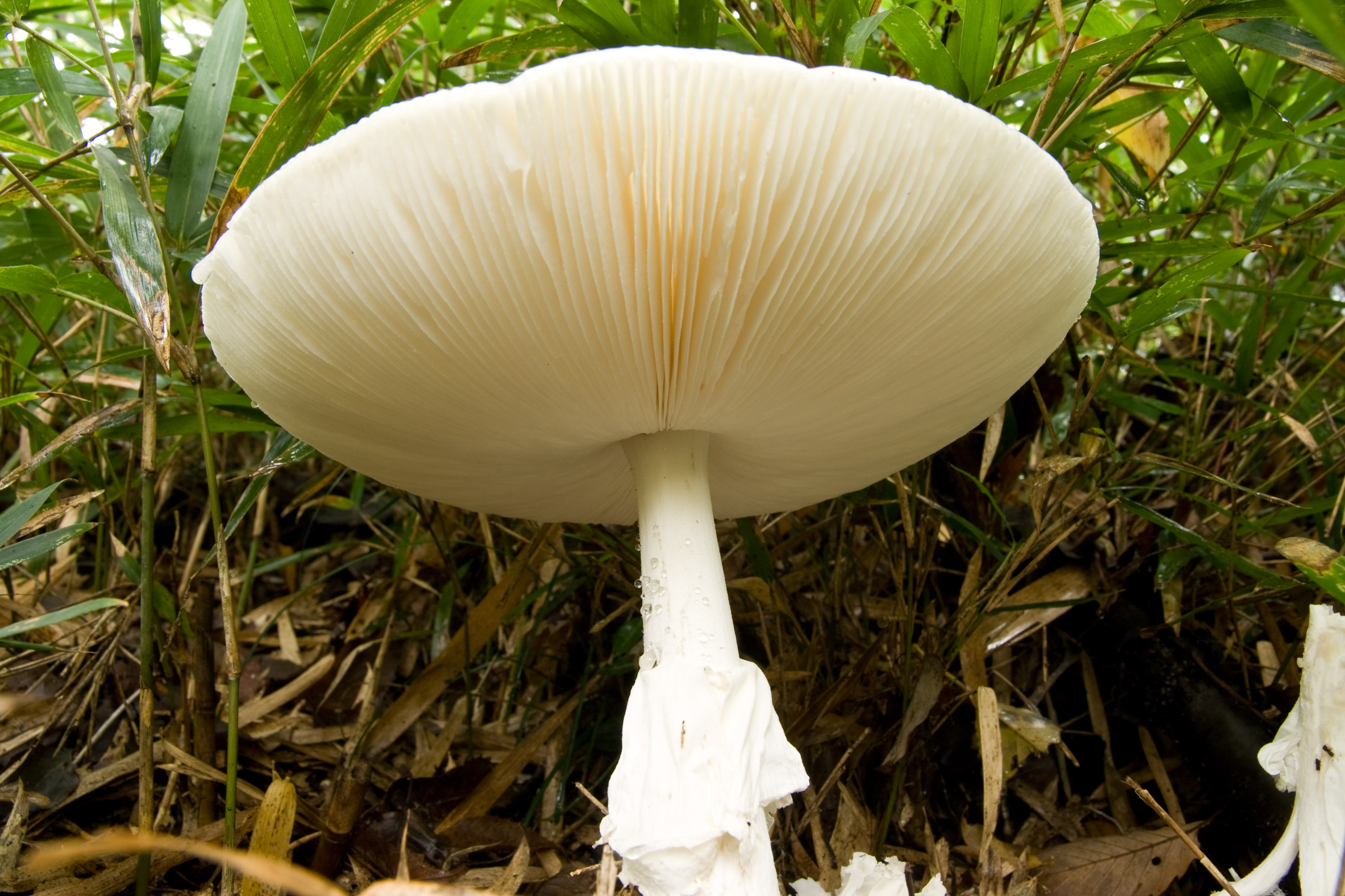
Here’s just a brief overview of the death angel mushroom:
Description
Death Angel mushrooms, also known as Amanita virosa, are a type of mushroom that can be found in North America and Europe. They are easily recognizable due to their distinctive white color and unique shape. The cap is usually 4-10 cm wide with a convex or flat surface. The stem is typically 6-12 cm tall and 0.5-1 cm thick, while the gills underneath the cap are white in color.
Characteristics
Death Angel mushrooms have an unpleasant odor, making them easy to identify from other fungi. Additionally, they contain amatoxins which make them poisonous if ingested raw or undercooked; however, some people still consume them after proper preparation and cooking techniques.
Death Angel mushrooms grow in deciduous forests such as oak woodlands or mixed coniferous forests during late summer through early winter when temperatures are cooler than usual for the season (between 50°F – 70°F). They can often grow near stumps or logs on the ground but may also appear at higher elevations on decaying tree trunks or branches where plenty of moisture is present for growth.
Death Angel mushrooms are fascinating fungi with distinct characteristics and habitats that make them unique. With the help of visual, taste/smell, and chemical tests, it is possible to identify these mushrooms accurately – something we’ll look into more closely in the next section.
How to Identify Death Angel Mushrooms
Knowing how to identify these mushrooms is important, so you don’t accidentally eat them.
Visual Identification

Death Angel mushrooms have a white cap with yellowish-brown spots or patches. The stem is usually white, and the gills are white too. There may also be some brownish scales near the base of the stem. In addition, they often have a distinctive ring around the stem just below the cap, which sets them apart from other mushrooms.
Taste and Smell Identification
Death Angels have an unpleasant odor that resembles raw potatoes or garlic when fresh but fades away quickly once they age or dry out. They also taste bitter when eaten raw, which should be a warning sign not to consume them in any form.
If you want to make sure beyond any doubt that what you’ve found isn’t a Death Angel mushroom, then there are chemical tests available for purchase online that will allow you to test for toxins present in this species specifically, such as amatoxins and phallotoxins. These tests can help provide peace of mind before consuming any wild fungi.
Death Angel mushrooms can be identified through visual cues, taste and smell tests, or chemical analysis; however, it is important to note that they should never be consumed without proper identification. With the right knowledge of these mushrooms’ properties and benefits, one can reap the health rewards that Death Angels offers.
Health Benefits of Death Angel Mushrooms
They have an off-white cap with white gills and a ring around the stem. Death Angels are considered one of the most poisonous mushrooms due to their toxicity when ingested. Despite this, they offer some health benefits when prepared correctly and eaten responsibly.
Nutritional Value
Death Angel mushrooms contain essential vitamins and minerals such as Vitamin D, potassium, phosphorus, magnesium, iron, and zinc, which all help support healthy bones and teeth. Additionally, they provide dietary fiber, which helps promote regularity in digestion, while providing antioxidants like selenium which may help reduce inflammation throughout the body.
Medicinal Properties
Death Angel mushrooms have been used for centuries for medicinal purposes due to their anti-inflammatory properties that can aid in reducing joint pain caused by arthritis or other inflammatory conditions. In addition, they also possess antimicrobial activity against certain bacteria, including E. coli, potentially useful for treating infections such as urinary tract infections or food poisoning if taken under medical supervision only. Furthermore, these fungi contain terpenoids that may help protect against cancer cell growth while promoting healthy liver function through detoxification processes within the body.
While death angel mushrooms offer potential health benefits, it is important to remember that they remain highly toxic if not properly cooked before consumption. Therefore, it is best to avoid eating them raw at all costs. Additionally, several lookalike species could cause serious harm if mistaken for death angels; thus, ensure you know what you’re looking for before consuming any wild mushroom species1.
With their high nutritional value and medicinal properties, death angel mushrooms offer a range of health benefits that make them an excellent choice for those looking to reap the rewards of nature’s bounty. However, certain safety considerations should be considered before consuming these fungi, which will be discussed in the next section.
Safety Considerations for Eating Death Angel Mushrooms


Safety should always be a top priority when it comes to eating mushrooms. Death Angel mushrooms are no exception, and there are several important considerations to consider before consuming them.
Poisonous Lookalikes
Death Angel mushrooms have poisonous lookalikes that can easily be mistaken for the edible variety. It is essential to properly identify the mushroom before consumption, as even small amounts of certain toxic species can cause serious illness or death. Some of the most common poisonous lookalikes include Destroying Angels (Amanita virosa), Panther Caps (Amanita pantherina), and False Death Caps (Galerina marginata). All three of these varieties share similar characteristics with Death Angel mushrooms but are highly toxic when ingested. To avoid confusion, ensure you know exactly what you’re looking for when identifying your mushroom. Never consume any wild mushroom unless you’re absolutely certain it is safe to eat.
Proper Preparation and Cooking
Once you have identified your mushroom correctly, proper preparation is key in order to ensure its safety for consumption. The safest way to prepare Death Angel mushrooms is by cooking them thoroughly; boiling or frying will work well as long as all parts of the mushroom have been cooked through completely before serving. Additionally, try not to mix different types of wild mushrooms together during preparation, as this could lead to accidental ingestion of a potentially dangerous species if one has been misidentified earlier in the process. Finally, it’s best practice not to consume large quantities at once; instead, spread meals over several days so that any potential adverse reactions can be quickly addressed if necessary.
Overall, taking extra precautions when handling and preparing wild fungi like Death Angel Mushrooms can help prevent accidental poisoning due to their similarities with other more dangerous varieties found growing in nature.
FAQs in Relation to What Are Death Angel Mushrooms
Are Death Angel mushrooms edible?
No, Death Angel mushrooms are not edible. They contain the toxin amatoxin, which can cause severe gastrointestinal distress and even death if ingested. It is important to be able to identify these mushrooms correctly in order to avoid accidental poisoning. While some species of mushroom may look similar, it is best to err on the side of caution and never consume any mushroom unless you are absolutely certain that it is safe for consumption.
What happens if you eat the destroying angel mushroom?
Eating the destroying angel mushroom can be fatal. It contains amatoxins, which are extremely toxic and can cause severe abdominal pain, vomiting, diarrhea, dehydration, and liver failure. Sometimes, death may occur within 24 to 48 hours after ingestion due to organ failure or cardiac arrest. If you suspect you have eaten a destroying angel mushroom, seek medical attention immediately, as there is no known antidote for this type of poisoning.
Where are angel of death mushrooms found?
Angel of death mushrooms (Amanita ocreata) are found in North America, primarily in the Pacific Northwest region. They grow on the ground near hardwood trees and logs, typically during late summer and early fall. The mushroom has a white cap, a distinct yellowish-brown center patch, and a volva at its base. It is important to note that this mushroom is highly toxic and should not be consumed under any circumstances.
Can you touch destroying angel mushrooms?
No, you should not touch destroying angel mushrooms. These mushrooms are highly poisonous and can cause severe illness or even death if ingested. They have a white stalk with a ring around it, and the cap is usually white. The gills underneath the cap are also white in color. Destroying angel mushrooms grow in wooded areas during summer and fall, so it is important to be aware of their presence outdoors. It is best to admire these beautiful yet deadly fungi from afar rather than risk coming into contact with them directly.
Conclusion
Death angel mushrooms are an interesting and unique species of fungi that can be found in many parts of the world. They offer a variety of health benefits but should always be consumed with caution due to their toxicity. With proper identification and safety precautions, death angel mushrooms can make a delicious addition to any meal. So next time you’re out looking for wild mushrooms, keep your eyes peeled for these mysterious death angels.
Featured image credit: Σ64, CC BY 3.0, via Wikimedia Commons

Article Sources:
- Source: Gopal, Judy, et al. “Scrutinizing the Nutritional Aspects of Asian Mushrooms, Its Commercialization and Scope for Value-Added Products.” Nutrients, vol. 14, no. 18, 7 Sept. 2022, p. 3700, www.mdpi.com/2072-6643/14/18/3700, https://doi.org/10.3390/nu14183700. Accessed 15 Feb. 2023.