
Mushrooms often evoke images of forest floors littered with dew-dropped fungi, a testament to the profound interconnections within forest ecosystems. As a scholar of mycology, I’ve explored the dynamics between mushrooms and trees, which are far more nuanced than the simple notion of parasitism or harm. Contrary to what some might believe, mushrooms can indeed thrive in close association with trees without causing them damage. This relationship hinges on an intricate balance, where certain fungi play a critical role in forest ecology without undermining their wooden hosts.
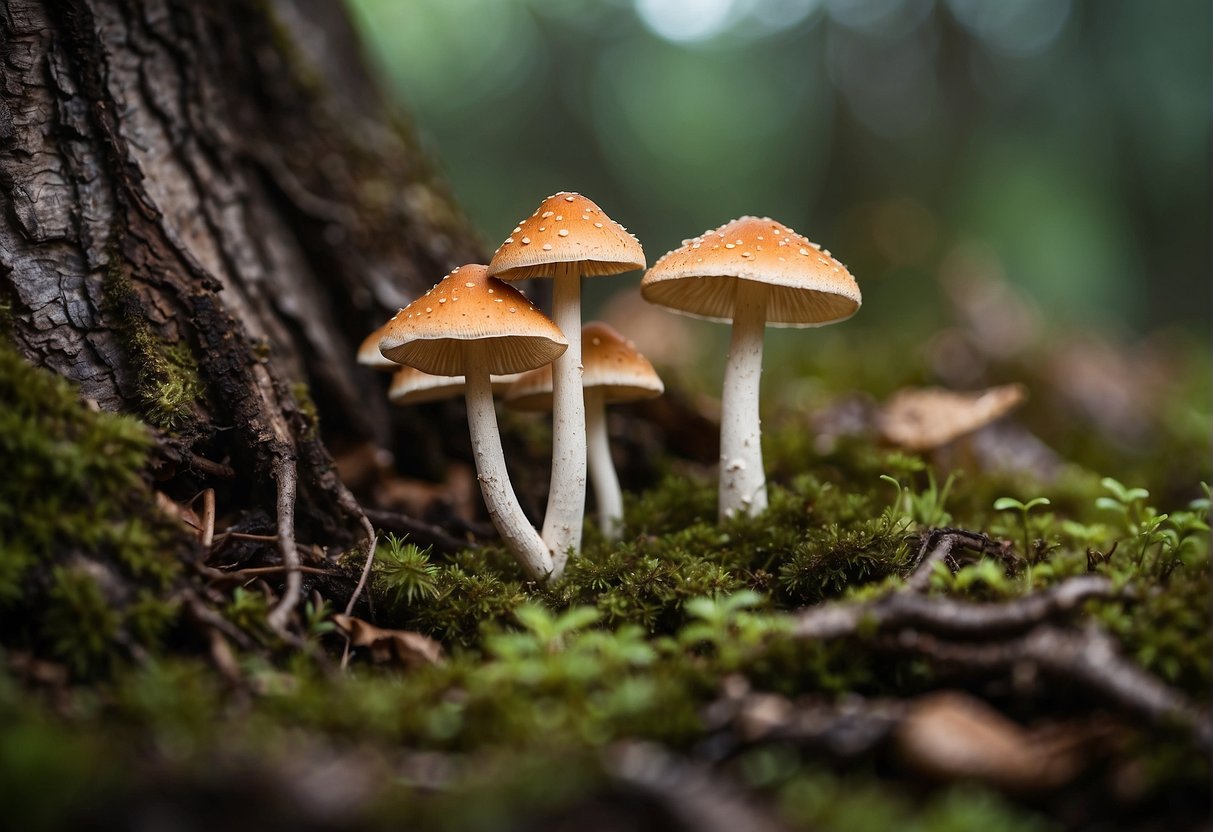
Indeed, the majority of mushrooms found in woodlands are either decomposers or form symbiotic relationships with trees. I’ve learned through research and observation that these associations are essential for nutrient exchange and the health of forest communities. Some mushrooms are poised to break down dead organic matter, making nutrients available to other forest inhabitants. Then there are those that engage in a mutually beneficial exchange with living trees, receiving carbohydrates while in return, providing the trees with water and nutrients through their vast mycelial networks.
Key Takeaways
- Mushrooms contribute to forest health through decomposition and symbiosis.
- Mycelial networks are essential for nutrient exchange in forest ecosystems.
- Not all fungi harm their tree hosts; many aid in forest vitality and diversity.
Understanding Mycorrhizal Relationships
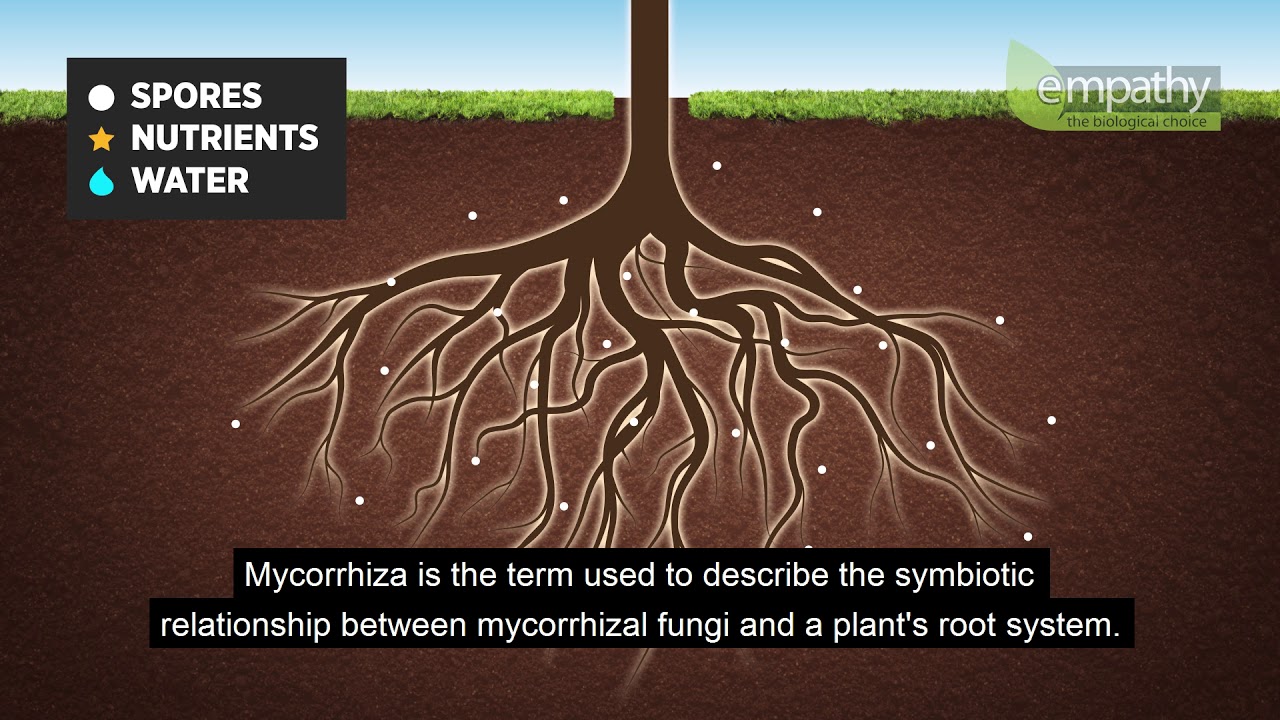
In my study of forest ecosystems, I’ve learned that the symbiotic relationship known as mycorrhizal is integral to the health and biodiversity of these environments. Here, I’ll discuss what mycorrhizae are and the specific types of interactions that occur between fungi and plant roots.
Definition and Functions of Mycorrhizae
Mycorrhizal fungi refer to a range of fungi species that form mutualistic associations with the roots of plants. These relationships are essential for nutrient exchange in the soil. Through my mycelium—the network of fungal threads—I extend into the soil far beyond the plant’s roots, accessing water and essential nutrients such as phosphorus and nitrogen. In return, I provide the plant with these nutrients, which is particularly vital in nutrient-poor soils. The direct benefits to the ecosystem include enhanced plant growth, increased soil stability, and greater biodiversity.
List of Functions:
- I increase the surface area for water and nutrient absorption.
- I enhance the plant’s resistance to pathogens.
- I improve soil structure and quality.
- I promote biodiversity by supporting varied plant species.
Types of Mycorrhizal Interactions
Several types of mycorrhizal interactions exist, each characterized by different structures and functions.
- Ectomycorrhizal interactions involve fungi that envelop the roots in a sheath and typically associate with trees like pines and oaks.
- Arbuscular mycorrhizal fungi penetrate the cell walls of root cells, forming structures known as arbuscules, and are common in grasslands and tropical forests.
- Ericoid mycorrhizae occur with plants in the heath family, where fungi penetrate the root epidermal cells.
Through these interactions with different plant species, I contribute to the formation of rich and diverse ecosystems. Each type of mycorrhizal relationship plays a role in the transfer of nutrients between fungi and plants, highlighting the critical importance of these relationships in maintaining healthy forests and natural landscapes.
Mushroom Physiology and Tree Health

In exploring the intricate relationship between mushrooms and trees, I find that it’s crucial to understand the mutual benefits they provide to each other. My approach will focus on the specifics of mushroom growth in relation to tree health, and how certain fungi can be detrimental to trees.
Mushroom Growth and Tree Benefits
Mushrooms, a form of fungi, play an essential role in forest ecosystems. As they grow, mushrooms can provide numerous benefits to their host trees. Mycorrhizal mushrooms, for example, establish a symbiotic relationship with tree roots, where they help to expand the root system’s ability to absorb water and nutrients. In return, mushrooms receive carbohydrates, which are products of photosynthesis from the tree. Notably, edible mushrooms like the oyster mushroom can also be a food source for forest dwellers, while certain mushrooms have been recognized for their potential in medicine due to their unique compounds.
- Key Benefits:
- Increased nutrient uptake for trees
- Assisted decomposition, enhancing soil quality
- Provision of food sources for the ecosystem
Protecting Trees from Harmful Fungi
Despite the many beneficial fungi, some mushrooms can be threatening to trees. These poisonous mushrooms produce toxins that can weaken and eventually kill the host by disrupting the tree’s functions. Therefore, it’s essential to identify these harmful fungi promptly and prevent their spread to protect tree health. Control measures often involve removing infected parts or utilizing fungicides that target the harmful species without affecting the beneficial ones.
- Actions Against Harmful Fungi:
- Identification and prompt removal
- Application of targeted fungicides
- Regular monitoring for early detection
Environmental Factors Affecting Mushrooms and Trees

Mushrooms and trees share complex interactions that are influenced by specific environmental factors. Soil composition, local climate, and ecological balance play critical roles in their symbiotic and sometimes parasitic relationships.
Soil Characteristics and Fungal Propagation
The soil is fundamental to the health and sustainability of both fungi and trees. Soil pH, nutrient content, and texture are determining factors in the viability of mycorrhizal associations, where fungi connect with tree roots. I’ve observed that acidic soils rich in organic matter tend to support a diverse fungal population. Fungal spores need moist, well-aerated soil to germinate and form mycelium networks which are essential for the absorption of water and nutrients by trees. The presence of decomposing organic materials bolsters fungal growth, aiding in nutrient cycling and the decomposition process crucial for ecosystem functioning.
Climate Impact on Fungal-Tree Dynamics
Climate and climate change are altering fungal-tree dynamics appreciably. Trees often rely on fungal partners to help them adapt to changing conditions by improving water and nutrient uptake. In turn, fungi depend on the presence of trees as their habitat. Shifts in temperature and precipitation patterns due to climate change can lead to mismatches in fungal-tree partnerships, potentially threatening forest ecosystems. On a positive note, these fungi can aid in carbon sequestration, with certain species breaking down wood and leaf litter, converting carbon into stable soil organic matter. It’s essential to monitor these interactions, as even minor climatic shifts can influence species distribution and the formation of lichens, which consist of a symbiotic relationship between fungi and an organism capable of photosynthesis, like an algae, containing chlorophyll.
Ecological Significance of Fungi in Forests
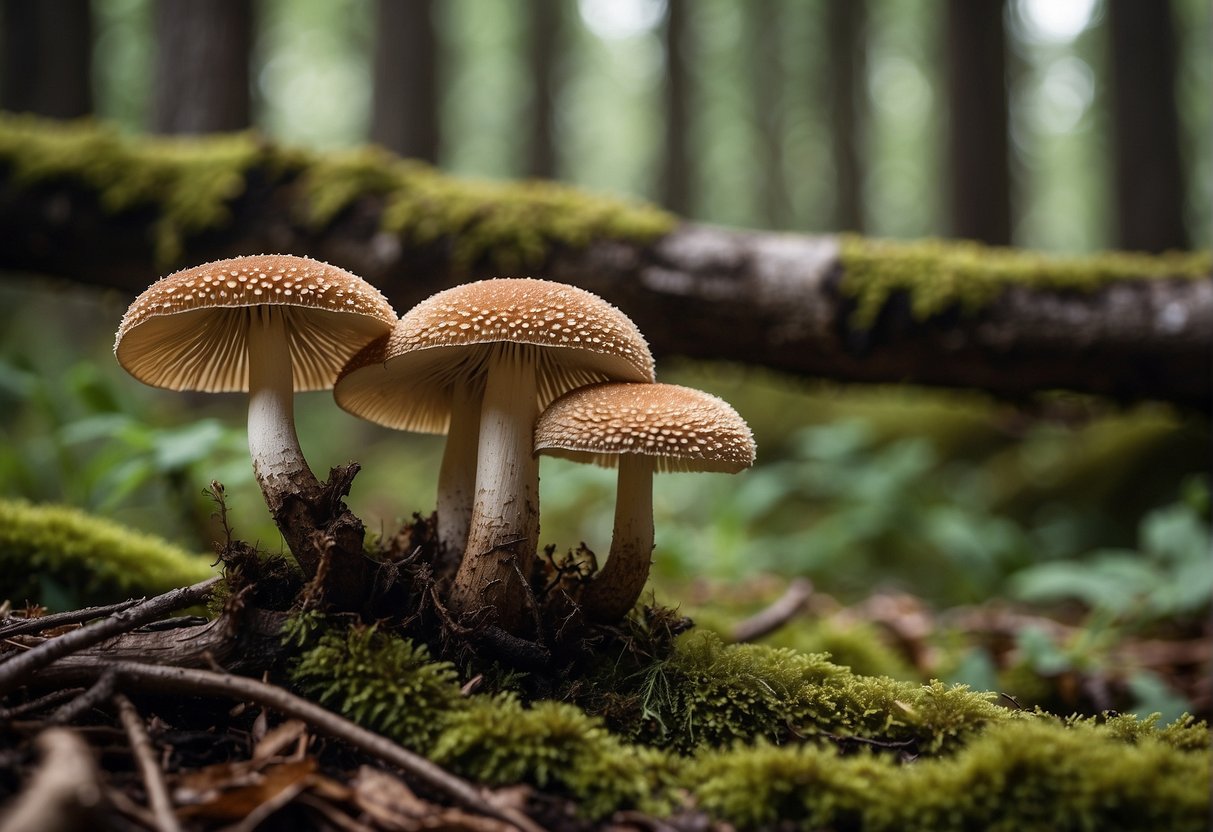
In my exploration of forests, I’ve come to understand that fungi play an intricate role in maintaining the health and biodiversity of these ecosystems. Their presence and activity are fundamental to the life cycles of numerous plant species.
Role in Nutrient Cycling and Soil Health
My observation of the forest floor has shown me that fungi are master decomposers. As they break down organic matter, such as fallen leaves and dead trees, they release vital nutrients back into the soil. This process is a key component of nutrient cycling, which sustains plant life and contributes to robust soil health. Through their vast mycelium networks, I’ve seen how fungi efficiently transport these nutrients to where they’re needed most, often forming symbiotic relationships with the roots of plants to exchange nutrients for sugars – a relationship known as mycorrhization.
Fungi as a Keystone Species in Biodiversity
Reflecting on the intricate web of life within forests, I recognize fungi as a keystone species, essential for maintaining the biodiversity of these ecosystems. Their interactions with plants help to sustain a wide range of species, both large and small. From single-celled organisms to mammals, many rely on the balance maintained by fungal activity. I’ve noted that mycelium networks are akin to natural internet systems, connecting plants in forests and allowing them to communicate and share resources, demonstrating the critical role of fungi in supporting ecosystem health and resilience.
Human Interactions with Forest Ecosystems
In my examination of our interactions with forest ecosystems, I find that our forestry and agricultural practices can significantly alter these environments. Conversely, I also recognize the role of conservation efforts and sustainable approaches that aim to mitigate human impact and safeguard these complex ecosystems.
Impact of Forestry and Agricultural Practices
Forestry and agricultural activities have profoundly reshaped our forests. Deforestation is a critical issue I’ve observed, often driven by the demand for more agricultural land or resources for economic development. The replacement of forests with farmland can lead to a host of issues, such as soil erosion and pollution from fertilisers and pesticides. Legal policies in some areas can either exacerbate or alleviate these pressures. For instance, forestry regulations might mandate the preservation of certain woodland tracts or, conversely, permit extensive logging. Such activities invariably alter the habitats that mushrooms and other native flora and fauna depend on.
Conservation Efforts and Sustainable Harvesting
On the brighter side, I am encouraged by the increasing emphasis on conservation efforts aimed at protecting our forests. By advocating for tree planting initiatives and sustainable harvesting methods, we can mitigate some of the damage done by overexploitation. Sustainable harvesting of mushrooms is crucial to maintaining ecological balances; if mushrooms are overharvested, it can upset the symbiotic relationships they have with trees and the wider forest. Legal frameworks that enforce sustainable forestry practices are vital. They not only protect the forests but also the intricate web of life within, including the mushrooms that thrive in harmony with trees and contribute to the forest’s health.
Frequently Asked Questions
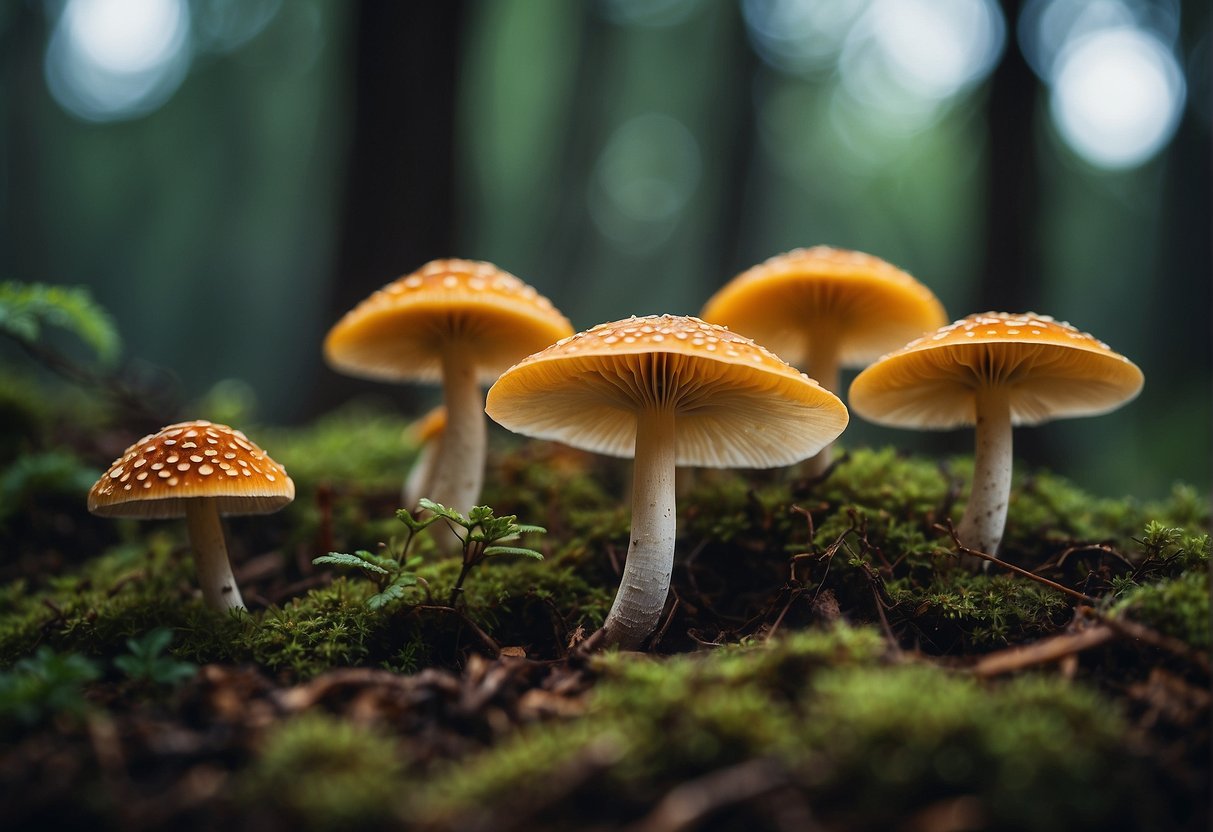
In exploring how mushrooms coexist with trees, I’ve observed that they actually play a crucial role in forest ecosystems. My focus here is to explain their beneficial interactions with trees.
How do mycorrhizal mushrooms benefit trees in their growth?
Mycorrhizal mushrooms form a mutualistic association with tree roots, enhancing water and nutrient absorption, which contributes to the improved growth and health of trees. They can extend the root network, making nutrients more accessible.
What is the function of mushrooms within a forest ecosystem?
Within a forest ecosystem, mushrooms act as decomposers, breaking down organic matter and recycling nutrients back into the soil, which are then utilized by plants and trees. They are essential in maintaining the nutrient cycle.
In what ways do mushrooms decompose organic material without damaging living trees?
Mushrooms focusing on decomposition target dead and decaying matter, releasing enzymes to break down this material without impacting living trees. My interest lies in how the decomposition process enriches the soil without harming the surrounding flora.
What mechanisms allow mushrooms to obtain nutrients and how does this process affect trees?
Mushrooms absorb nutrients by secreting enzymes that break down complex organic materials into simpler forms they can absorb. This process of nutrient uptake generally does not harm trees and can even provide trees with essential minerals that fungi release into the soil.
Can the presence of mushrooms impact tree health, and if so, how?
The presence of mushrooms, particularly mycorrhizal fungi, can be a sign of a healthy tree, as they enhance nutrient uptake and protect against pathogens. However, parasitic fungi can weaken or kill trees, which is an aspect I’ve taken into account.
What types of symbiotic relationships can exist between mushrooms and trees?
Mushrooms and trees can have symbiotic relationships ranging from mutualistic, where both parties benefit, as in the case of mycorrhizal fungi, to parasitic, where the fungus benefits at the expense of the tree, and to commensalism, where the mushroom benefits without affecting the tree. My focus is on understanding these complex relationships and their outcomes.